

Market Growth
Influencer marketing has become an essential strategic lever in brand communication plans. By 2026, the sector will have reached maturity: strategies will become more professional, performance indicators will evolve, and consumer expectations will increase, focusing on authenticity, transparency, and real impact.
A rapidly growing market
The global influencer marketing market continues its sustained growth. In 2025, it exceeded $30 billion and continued to grow in 2026. A majority of brands report increasing or maintaining their investments in influencer marketing, convinced of its effectiveness in generating visibility, engagement, and conversions.
Budgets are increasingly being reallocated from traditional advertising channels to creative marketing, which is perceived as more credible and more effective by consumers.
New performance priorities
By 2026, so-called "vanity" metrics (number of followers, likes) will gradually give way to business-oriented KPIs. Brands will now expect measurable results: click-through rates, conversions, cost per acquisition, sales generated, and qualified traffic.
Influencer marketing is fully integrated into overall performance strategies and evaluated in the same way as other digital levers.
The rise of micro-influencers
Micro-influencers are confirming their key role in influencer campaigns. Their close relationship with their community generates significantly higher engagement rates than those of highly visible profiles. By 2026, brands will favor specialized, credible creators aligned with their values, capable of speaking to targeted and engaged audiences.
This approach promotes more authentic, more effective and often more profitable campaigns.
Long-term relationships rather than one-off collaborations
One of the major trends of 2026 is the shift towards long-term partnerships between brands and content creators. These ongoing collaborations strengthen the credibility of messages, allow creators to better embrace products, and build trust with communities.
Influence becomes a collaborative effort, where the brand and the creator develop consistent, sustainable, and effective content together.
Evolution of formats and uses
Short formats remain dominant, but there's a resurgence of longer, more in-depth content, particularly for explaining, narrating, or demonstrating a product. Livestreaming, interactive formats, and social commerce are playing an increasingly important role in influencer strategies.
Social networks are also becoming search engines in their own right: consumers are increasingly discovering brands and products through creator content rather than through traditional advertising.
More responsible influencer marketing
Transparency, ethics, and regulatory compliance have become essential requirements. Consumers expect creators and brands to communicate honestly, clearly identifying sponsored content, and aligning with credible values.
By 2026, successful brands will be those that consider influence not as a simple promotional tool, but as a true lever for relationships, trust and impact.
instagram stories
engagement rate
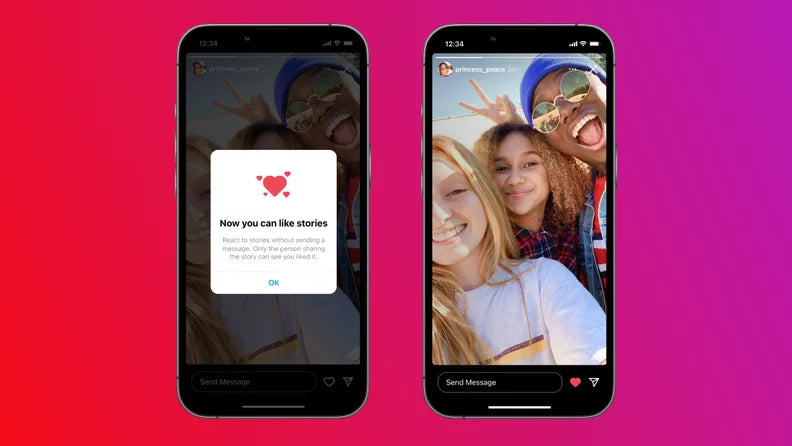
The average engagement rate for Instagram Stories typically ranges from 5% to 6% , which represents the proportion of people who engage with a story compared to the total number of views. This figure can fluctuate depending on the size of the account and the industry.
Accounts with audiences of 10,000 to 50,000 followers often see the highest engagement rates on Stories, with spikes of up to 10% or more.
instagram stories
Stickers
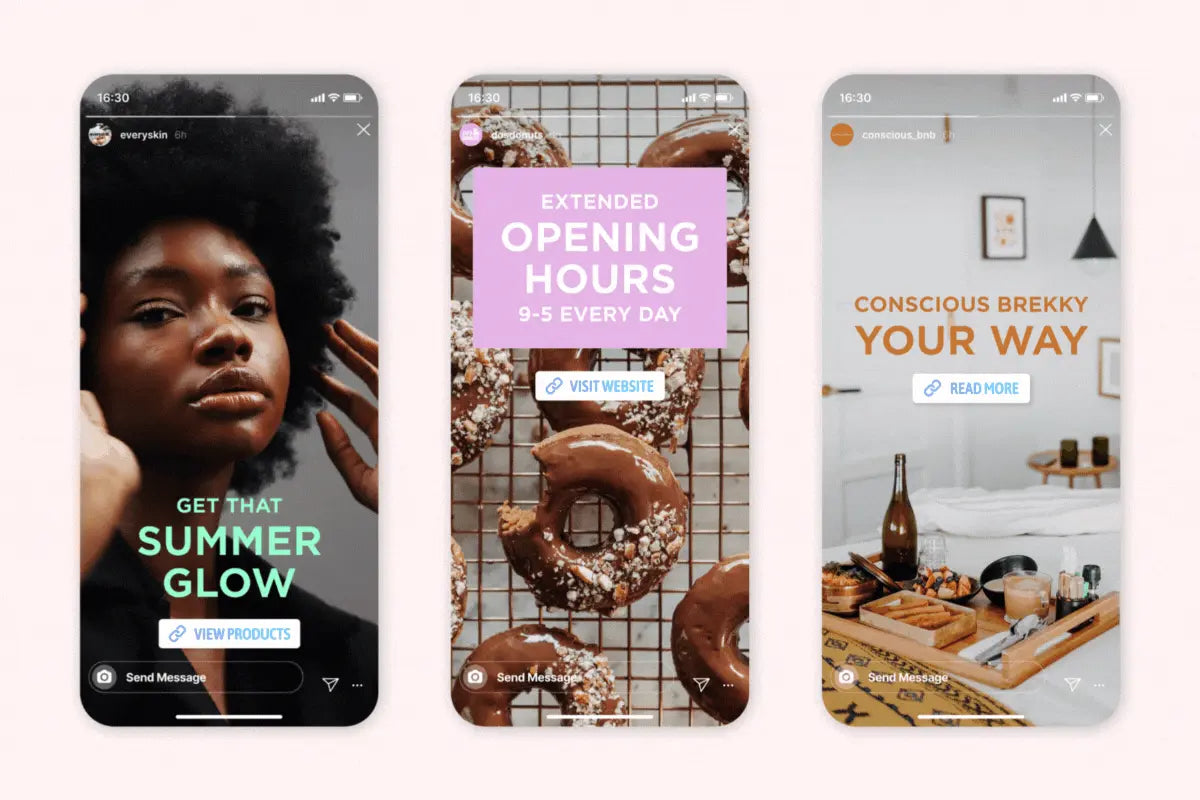
Stickers like polls , questions , and quizzes increase engagement by about 20% to 30% on average. These tools encourage viewers to interact directly with the story, increasing active engagement.
What's next...
Trends in 2026 and the impact of AI on influencer marketing
By 2026, artificial intelligence will be widely integrated into the processes of campaign creation, analysis, and optimization. It will improve content production, targeting, and performance measurement.
However, the human element remains central. Audiences are increasingly sensitive to the authenticity and sincerity of creators. Content that is too artificial or dehumanized breeds mistrust and disengagement.

TIKTOK
TikTok continues to establish itself as a central platform in the social media ecosystem, with significant growth in its audience, advertising revenue, and role in marketing strategies.
By 2025, TikTok is projected to have between 1.6 and 1.9 billion monthly active users worldwide , making it one of the most used social media platforms globally. These figures reflect continued audience growth, even though the pace of expansion is gradually leveling off after the sharp increases seen in the early 2020s.
Beyond the number of users, TikTok stands out for its ability to capture internet users' attention . In France, as elsewhere, the platform remains the one where users spend the most time per session, demonstrating its superior engagement power compared to many other networks.
From an economic standpoint, TikTok generates very significant and growing advertising revenue . In 2024, the platform generated over $23 billion in revenue, primarily through advertising, and forecasts for 2025-2026 indicate a continuation of this momentum with overall projections exceeding $30 billion in advertising revenue.
TikTok is no longer limited to viral short videos: the platform is also developing formats and features that foster the creation of original content, product discovery, and direct consumer engagement with brands. The introduction of new experiences, such as short narrative formats (like micro-dramas) and integrated analytics tools to unify organic and paid data, shows that TikTok aims to become a comprehensive marketing tool , capable of supporting advertisers throughout the entire customer journey.
From a demographic perspective, TikTok still attracts a young audience (particularly 18-34 year olds), but the platform is gradually opening up to broader audiences, including older generations. This diversification of users is increasing brands' interest in TikTok, which is becoming relevant not only for brand awareness campaigns but also for influencer strategies targeting diverse consumer segments.
In summary, in 2026 TikTok remains a key player in influencer strategies . Its combination of massive audience, high engagement, sustained advertising revenue, and functional innovations makes it an essential channel for brands wishing to reach active communities, test new creative formats, and develop high-performing campaigns integrating both organic content and paid advertising.
2024 and beyond
Some figures
ETHICS
90% of young consumers are likely to buy from brands that support social causes.
(source: Cone Communications)
transparency
70% of Instagram users say they are more likely to trust influencers who disclose their sponsored partnerships.
(source: Influencer Marketing Hub).
Selection
Campaigns based on data analytics can increase ROI by up to 30%.
Carefully select the profile that will represent you!
Digital vs. traditional
The cost of entry is generally lower for influence (micro-influencers) than for a television campaign or an advertorial in a premium magazine.
Deployment time : influence + digital = faster, easy testing & adjustment; TV/press require more production and planning time.
Measurement & attribution : influence + digital allow for precise KPIs (clicks, engagements, conversions), which is more complicated for print or television (“impressions”, awareness, etc).
Brand credibility and perception : it depends. Premium print media or television can convey a strong image of quality, but influence gains credibility when done well and transparently, especially among young people.
Audience evolution : traditional media viewers and readers are generally aging, while young people consume a lot via digital platforms (video, social networks).

Authenticity
Nano-creators: the new prime target
61% of consumers trust micro-influencers (fewer than 100k followers) more than celebrities
(source: Digital Marketing Institute).
☆ Micro-influencers (10,000-100,000 followers) can generate up to 6.7 times more engagement than more established creators.
☆ Nano-influencers (1,000 to 10,000 followers) generate engagement rates of up to 8%, compared to 1% to 2% for macro-influencers.
Be careful
Why analytical tools are not always reliable
In the world of influencer marketing, brands and agencies often use profile analysis tools to assess influencer performance and credibility. These platforms promise to offer precise insights into followers, engagement, and content creators' reach. However, in practice, these tools have significant limitations and can provide an inaccurate picture of a profile.
1. Significant discrepancies between actual figures and estimates
When we enter a profile into an analysis tool and compare the results to the actual data provided by the creator, we often find significant differences.
For example :
- The engagement rate calculated by these tools may be underestimated, as they do not always take into account new metrics such as story shares , which are nevertheless essential in the algorithm of social platforms.
- The number of active subscribers is often underestimated, because these tools cannot differentiate between ghost subscribers and truly engaged subscribers.
- Some tools calculate the reach of posts based on an overall average rather than the actual statistics provided by the influencer, which can create a significant discrepancy.

2. A superficial analysis of audience figures
Analytical tools rely on algorithms to determine subscribers' age, location, and interests. However, this data can be biased or misinterpreted.
- They cannot distinguish between loyal subscribers and passive subscribers.
- They do not always detect the qualitative value of interactions.
- Geolocation analyses are sometimes erroneous, giving an inaccurate geographical distribution.

3. The importance of a human evaluation
At TSA, we combine analytical tools with a human and strategic approach. A single number cannot reflect the true influence of a content creator. That's why we analyze the following elements:
- The quality of interactions (authentic vs. generic comments)
- The natural evolution of the community (organic growth vs. suspicious spikes)
- Alignment between the influencer's values and the brand
Profile analysis tools are useful for getting a first impression, but they should never be used as the sole selection criterion. A thorough human evaluation remains essential to understanding an influencer's true reach and ensuring a successful collaboration.
At TSA, we leverage our expertise to help brands go beyond the numbers and identify the most relevant creators for each campaign. Contact us to learn more!
These analyses and forecasts show that influencer marketing will continue to evolve, with increasing importance for brands seeking to reach specific and engaged audiences.
Don't ask us how much we sell; it depends on your product.
We are not salespeople, but shop windows.
1/ We're here to promote a brand, not to guarantee sales. Explanation...
2/ A brand does not pay TF1 based on sales generated after an advertisement. It pays for the visibility, credibility, and image that the broadcast brings to its product.
3/ It's exactly the same with us. When a brand collaborates with a content creator, it invests in a quality showcase that highlights its product to a qualified audience.
Our job is to introduce a brand, to make it desirable, credible, and memorable. Sales are merely an indirect consequence of a good image and brand awareness strategy.
4/ So, no, we are not paid to sell. We are paid to provide visibility and promote products with authentic and engaging content.
5/ If a brand wants immediate performance, it must combine influence with other levers (well-thought-out promo code, digital advertising, etc.).
6/ Influence does not replace a commercial strategy, it amplifies it. But it is not responsible for sales.
7/ In short, creators are not salespeople, but experts in storytelling, image and engagement.
We're sending you clients, it's up to you!
I hate the term influencer.
" It describes our sector, but it does not reflect the reality, responsibility and commitment that our work demands.
Being a content creator is much more than just an influential role: it's about building a truly modern advertising showcase through a well-thought-out strategy, constantly renewed creativity, and meticulous work. Each piece of content is the result of research, planning, production, and a deep understanding of the expectations of brands and audiences .
If some feel influenced, it reflects their own perception.
Our mission is first and foremost to inspire, share, and promote products or ideas with authenticity and impact .

Tamara Salman, Founder & CEO